
Overview
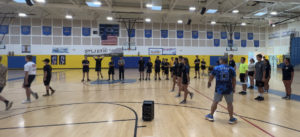 We’re not sure anyone has specifically laid out the steps to executing a practice rep anywhere else before. So we’re going to do just that! Whether you’re working in small groups or as a full team, this process can help you understand how to execute the most effective practice reps possible!
Set-Up (“Set!”)
Whatever you’re practicing, a strong set-up is key. Use a verbal cue in lieu of a command to lock everyone in and mentally prepare for the first part of the rep. We always use the word “SET” as a stand-in for “Platoon/Flight, ATTENTION” as a time (and voice) saver! You cannot execute a great rep without everyone focused and still when it begins so don’t overlook this step!
Verbalize/Visualize (“Words!”)
Studies have found that visualization is up to 80% as effective as physical practice. It certainly plays a major role in preparing for even the highest-performers in a multitude of fields! Before we physically execute the rep, we are going to sound off with words/ditties (or even just visualize ourselves doing the movements on command) to ensure that every driller understands what they’re trying to do. Even though your body can’t execute a perfect rep yet, your mind certainly can. Don’t neglect the verbal/mental rep!
Do the Rep (“Ready, MOVE!”)
Now that we’re locked in, it’s time to do the rep. Remember: everyone needs to be clear on where we are starting and stopping for the rep to be effective so be sure to reiterate any instructions.
Finish the Rep (“FREEZE!!!!!!! DON’T MOVE!!!!!!”)
Just because the MOVEMENTS have concluded doesn’t mean the rep is over! The stillness after periods of motion is 50% of what military drill is. In order to build strong military bearing, we can’t just exit the rep because we’ve stopped physically moving. When the rep is over, FREEZE (even if you made a mistake) to practice this bearing and to allow any observers (i.e. commanders, instructors, etc.) to ready their feedback. Wait for a verbal cue to be released from rep.
Inspect Your Work (“Check!”)
We like “CHECK” as the verbal cue that takes us out of the rep and into diagnostic mode. On “Check,” every individual should SILENTLY and INDEPENDENTLY inspect their work in relation to their teammates. This is NOT time to talk about what happened with anyone else nor receive feedback from the commander.
Get Back Quick (“Reset!”)
Before we get any specific feedback from the outside, we’re going to run it back to the start of the rep. This is somewhat counterintuitive but it helps the team understand that once the rep is done, it’s done. Everything else now applies to the NEXT rep. Hustle up and reset yourself quickly.
Team Feedback (“Listen up, everyone!”)
Once the team is reset, the commander (or any other relevant outside observer) should give their feedback immediately. We recommend using the GOOD, BETTER, HOW framework! Keep this short and sweet because there’s one more step.
Experiment & Improve Individually (“Lab!”)
Once feedback has been given to the team, it’s time to get in the lab and work like a mad scientist to improve before the next rep. This period should be no more than 1-2 minutes TOPS and carefully managed by the leadership of the team. During this time, individuals should experiment with their own drill to make improvements they can implement based on the feedback. This is also when individuals can (and should) speak to each other and coordinate about what to improve next time. If there is any individual-level feedback the leader wishes to give, this is also a perfect time to do so discretely without drawing attention to especially any younger or less experienced drillers!
Repeat (“SET!”)
Now it’s time to repeat the process and work to intentionally improve based on the steps you just went through!
Conclusion
Just like anything else, this process is a skill and should be practiced intentionally to ensure every team member understands each step along the way! Once this process becomes a habit, you’ll notice that practice is more efficient and each rep shows MORE improvement as a result!